
The Langtang region lies north of Kathmandu, near the Tibetan border. It is home to peaks like Mount Langtang Lirung (7,234 meters), Langtang II (7,205 meters), and others. Popular treks include the Langtang Valley Trek, Gosainkunda Trek, and Tamang Heritage Trail. Highlights are Kyanjin Gompa, Langtang Village, and Gosainkunda Lake.
Visit Tamang and Sherpa villages to observe daily Buddhist culture and explore historic monasteries. Lhochhar, the Tamang New Year, you can experience traditional dances, music, and local customs.
A day hike to Kyanjin Ri (4710 meters) and Tsergo Ri (4984 meters) offers the best panoramic views in the Upper part of the Langtang region.
A Langtang National Park entry ticket is required and checked at entry points. The permit costs approximately 3,000 Nepalese rupees (about 25 USD) per person for foreign nationals. Tickets are available at the Nepal Tourism Board office in Kathmandu or at Dhunche. Bring your passport for the permit. Carry cash in Nepalese rupees, as cards are not accepted. Get your ticket before travelling to avoid delays.
Above 2,500 meters, ascend gradually to let your body adjust. Altitude sickness may occur at higher elevations. Watch for symptoms like headache, nausea, dizziness, fatigue, loss of appetite, or difficulty sleeping. To reduce risk, ascend slowly, stay hydrated, rest if unwell, and avoid alcohol. If symptoms worsen or persist, descend and seek medical attention if needed.
Reaching the Langtang Region Trailhead
To reach the Langtang trailhead from Kathmandu, take a deluxe bus or shared jeep to Dhunche or Syabrubesi. Buses leave Machhapokhari Chowk each morning. The journey takes about seven hours, depending on road conditions. Book your ticket in advance through a local travel agency or at the bus station to secure a seat.
When trekking in the Langtang region, pack the following essentials to ensure comfort and safety in varying weather conditions:
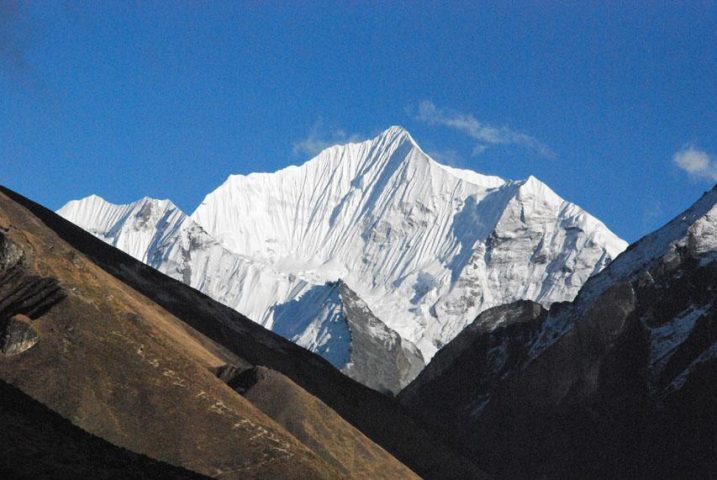
The Langtang Valley Trek is in Langtang National Park, north of Kathmandu near the Tibet border. It is one of Nepal’s easier-to-reach treks, and it is moderate to challenging. Most days involve 5 to 7 hours of trekking, with daily elevation gains of 600 to 1,000 meters. The Tsergo Ri, at about 4,984 meters, is […]
view details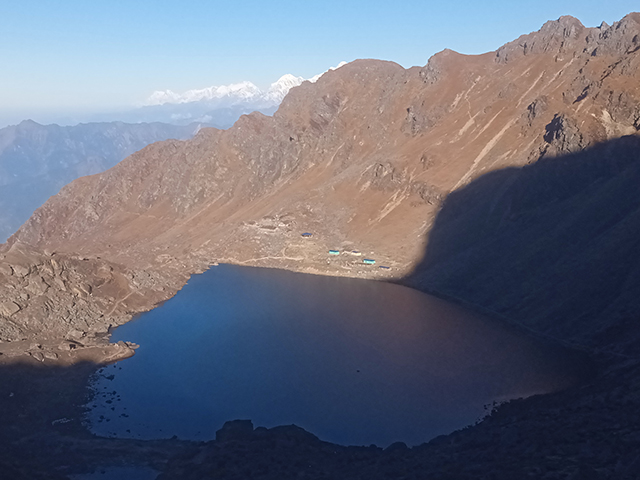
Langtang Helambu Trek via Gosainkunda Lake combines three distinct regions into one unforgettable expedition. The trek begins from the Valley of Glaciers in the Langtang and continues to the sacred lakes of Gosaikunda. And concludes in the Helambu region. Don’t miss out on your chance to experience Nepal’s most diverse trekking route! Trip highlights: Begin […]
view details