
The Annapurna Region, also known as the Annapurna Conservation Area, lies in central western Nepal and is the country’s largest conservation area. Spanning 7,600 sq. km. It is among the most geographically and culturally diverse protected areas worldwide. It features steep terraces, rich forests, barren plateaus, mountain deserts, the Kali Gandaki gorge, Annapurna I (8091 meters, the ninth highest mountain in the world), Machhapuchhre (Mount Fishtail, 6993 meters), and several other peaks.
The Annapurna Region is an excellent habitat for a variety of plants and animals, showing the land’s biological diversity. Recent surveys recorded 1226 plant species, 38 orchid species, 9 Rhododendron species, 101 mammal species, 478 bird species, 39 reptile species, and 22 amphibian species in the Annapurna Conservation Area. It is Nepal’s most popular trekking destination. Contact us to plan your trek and ask about our guide service for multi-day treks in the Annapurna Region!
| ACA FACT SHEET: | ||
| Total Area: | 7629sq. km. | |
| Population: | 100,000. | |
| No of International Trekkers: | 88,418 (2010). | |
| Major Ethnic Group: | Gurung, Magar, Bhotia, Thakali, and Manangis. | |
| The highest peak: | Annapurna I (8091 meters). | |
| Major Destinations: | Gandruk, Ghorepani, Poon Hill, Annapurna Sanctuary, Annapurna Circuit, Mardi Himal, Muktinath, and Manang. | |
| Trekking to the highest elevation: | Thorong La, 5416 meters pass. | |
| Lakes: | Tilicho Lake (4919 meters), Ice Lake, and Gangapurna Lake. | |
| Special Destination: | Sikles Eco Trek, Tilicho Lake, Nar and Phu, and Upper Mustang. | |
| Bio Climatic zone: | Tropical to Alpine. | |
| Pheasant: | Supports all six species of pheasants (Danphe, Monal, Kaliz, Cheer, Koklass, and Blood pheasants). | |
| Economy: | Agriculture, Animal Husbandry, Seasonal Migration (Trade and Labour), Tourism, and Service in the Army. | |
| Plants: | 1233. | |
| Mammals: | 102. | |
| Birds: | 488. | |
| Reptiles: | 40. | |
| Amphibians: | 23. | |
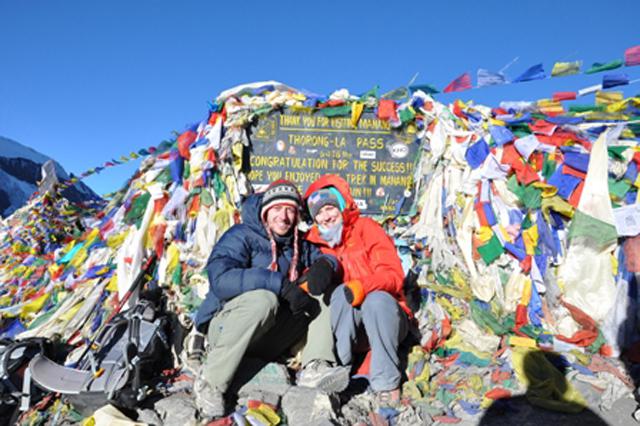
The Annapurna massif is encircled by the Annapurna Circuit Trek, which includes a newly established trekking trail (NATT) that circumvents road access. The trek follows an anticlockwise route, culminating at Thorong La, the highest point at 5,416 meters. In a single day, we travel from Kathmandu to Chame, the starting point of the Annapurna Circuit […]
view details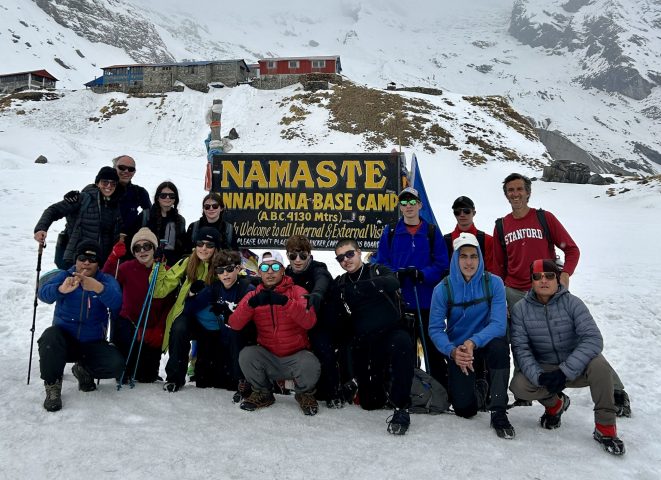
The Annapurna Sanctuary Trek route is one of the most popular trekking destinations in Nepal. This trek is moderately difficult and suitable for trekkers with an average level of fitness. Prior trekking experience is helpful but not essential. The trail passes through villages, Rhododendron trees, and varied landscapes, with views of the Annapurna and Dhaulagiri […]
view details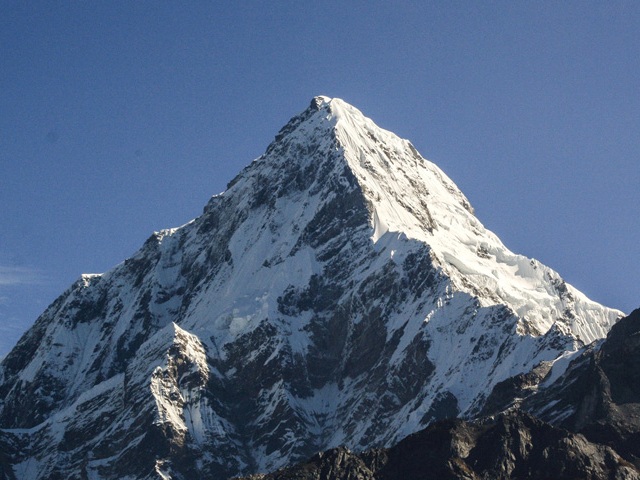
Khopra Ridge Trek is a newly opened, community-lodge-based trip in the Annapurna region. It was a camping-style trek in the past. This trek is located away from the busy trails of Annapurna, and few trekkers know about it. It offers a stay at a teahouse with the best panoramic views of Mt. Dhaulagiri (I, II, […]
view details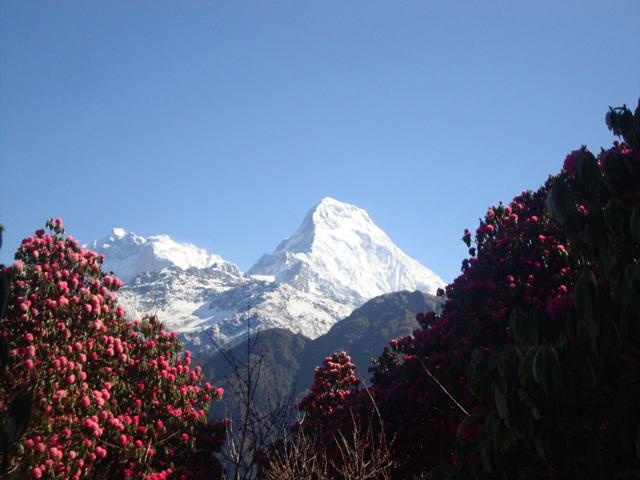
The Poon Hill Trek is a popular short trek in the Annapurna region, ideal for those with little time. The route passes through villages, rice fields, and forests. Sunrises reveal mountain views. Simple lodges offer comfort each night. The adventure starts with a flight from Kathmandu to Pokhara. Valleys lie below. A 45-kilometre taxi ride […]
view details